
The Behavioral Innovation™ Approach
The need to innovate creates a constant pressure on teams, but conventional thinking often slows down progress and momentum. By merging the fields of psychology and behavioral economics, our Behavioral Innovation™ approach empowers your team to outsmart the natural instincts that limit creative thinking. We weave this mindset throughout our entire process to ensure that innovation opportunities have the chance to emerge at every step possible.
What is the Behavioral Innovation™ Approach?
Cognitive biases carry the force of thousands of generations of intuitive behavior, frequently acting as invisible hurdles to your best ideas. Our Behavioral Innovation™ approach is a systematic methodology based on understanding and identifying the inherent biases that trip us up. Instead of letting these habits derail your progress, we provide practical tools to overcome them, transforming how you approach your daily work and future business challenges.
Overcoming Cognitive Biases
To build sustainable innovation skills, we start by explaining the mental roadblocks that cause the most mayhem in corporate environments. We teach cross-functional teams to easily recognize these specific challenges and apply creative rigor to outsmart their instincts. Our expert facilitators help you confidently combat:
Negativity Bias: The tendency for negative events or feedback to have a disproportionately prominent effect on your thinking, even when surrounded by positive information.
Availability Bias: The habit of making decisions based only on the information or solutions that come to mind most readily.
The Curse of Knowledge: The assumption that your audience knows more about a topic than they actually do, which makes it incredibly difficult to adopt an outside perspective.
Status Quo Bias: The instinct to default to keeping things the same, leading teams to reject new ideas simply because the old way “has always worked”.
Confabulation: The mind’s habit of making intuitive, subconscious decisions in the moment, and then inventing a logical reason to justify that decision after the fact.
Conformity Bias: The tendency for a group to adopt a homogenous consensus and just “go with the flow,” regardless of what each person actually thought beforehand.
Confirmation Bias: The tendency to favor information that supports your existing beliefs while ignoring or dismissing any data that contradicts them.
Errors of Framing: The way individuals subconsciously organize and perceive their reality, which heavily influences how they act and make choices in any given situation.
Empowering Your Team
We integrate Behavioral Innovation™ thinking into everything you do, from initial divergent ideation all the way through convergent strategic alignment. By showing client teams exactly what these biases look like in detail, we equip everyone with specific steps to combat them during ideation, concept development, and even qualitative testing. Ultimately, your team walks away energized, armed with actionable concepts and the lasting innovation skills needed to confidently lead future initiatives.
Dive Deeper: Outsmart Your Instincts
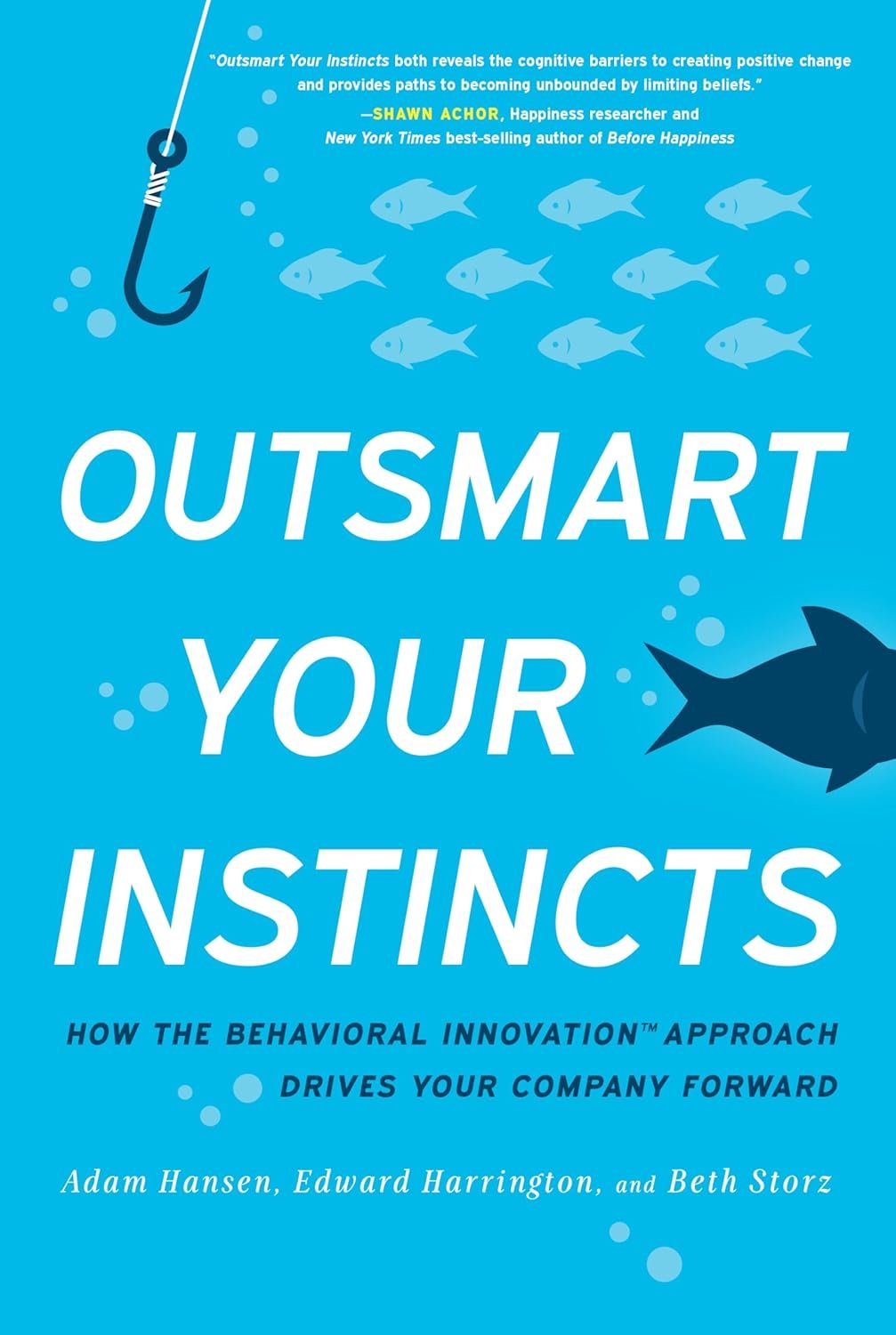
If you want to further explore the science behind these mental roadblocks, check out the book written by the innovation experts at ITG, Outsmart Your Instincts: How the Behavioral Innovation™ Approach Drives Your Company Forward. The book breaks down the exact cognitive biases that consistently stall corporate innovation and equips you with the practical, hands-on tools needed to overcome them. It’s the perfect primer for leaders looking to confidently transform how their teams think, collaborate, and create.
Frequently Asked Questions
-
The Behavioral Innovation™ approach is a systematic methodology that combines psychology, behavioral economics, and creative problem-solving to help teams overcome the natural instincts that block new ideas. By recognizing these invisible cognitive hurdles, teams can confidently transform complex business challenges into clear, creative opportunities.
-
Mental roadblocks like Status Quo Bias or Confirmation Bias often cause cross-functional teams to stick to safe, conventional thinking or ignore vital consumer feedback. By actively identifying and outsmarting these biases, your team can bypass internal alignment challenges and generate truly actionable innovation instead of generic, safe ideas.
-
The Curse of Knowledge occurs when internal teams know too much about their own products or technical specs, making it difficult to explain the value simply to their audience.
-
When cross-functional teams learn to suspend their internal biases, they become much better equipped to collaborate directly with our trained Creative Consumers® associates. This open mindset ensures that your new products, claims, and campaigns are grounded in authentic human needs and desires, rather than internal assumptions.
-
Absolutely. With ITG EVOLVE®, ITG’s Creative Process Designers & Facilitators integrate Behavioral Innovation™ techniques into strategic meeting facilitation to break through repetitive patterns and internal politics. This fresh external perspective energizes the room, moving your stakeholders past decision-making roadblocks so you walk away with clear strategic direction and assigned action steps.
-
Through workshops like ITG UNLEASH®, your team can learn and practice these frameworks in just a few days. Because teams practice these techniques on actual, real-world business challenges during the session, they leave equipped with practical, sustainable innovation skills they can use the very next day.